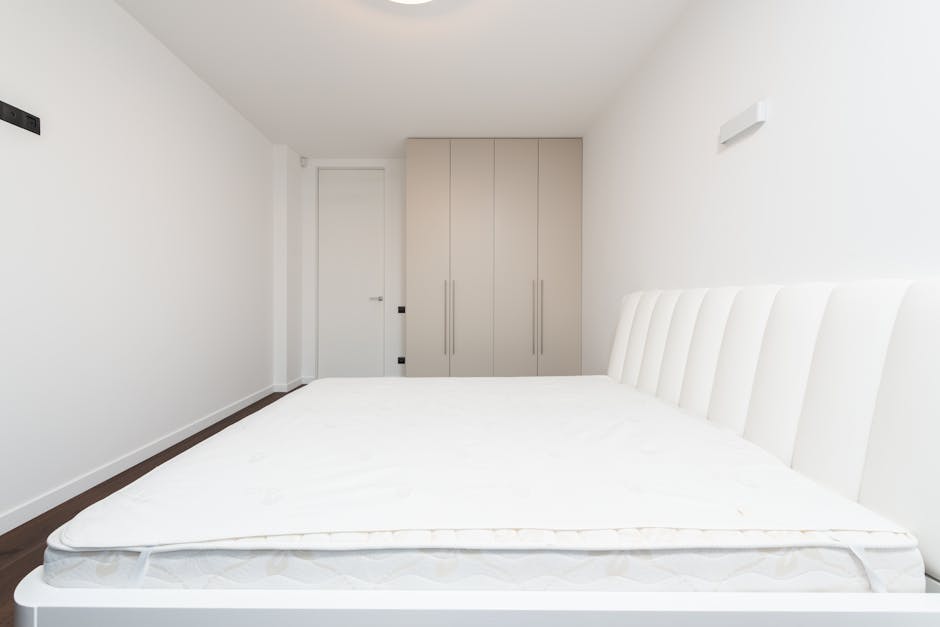
Step-by-step guide to preparing a mattress for collection
If you have a mattress collection booked, the job is only half done. The rest is preparation: making the mattress accessible, keeping it clean enough for handlers, and removing the little obstacles that can slow down a pickup. A few minutes of planning can prevent delays, extra charges, or that awkward moment when the collection team has to wait while you clear a hallway. This guide to preparing a mattress for collection walks you through the process from start to finish, with practical UK-focused advice that works whether you are using a private service, arranging a bulky waste pickup, or coordinating part of a larger clearance.
Done properly, mattress prep is simple. Done badly, it can be messy, inconvenient, and occasionally unsafe. So let's make it easy.
Table of Contents
- Why preparing a mattress for collection matters
- How mattress collection works
- Key benefits and practical advantages
- Who this is for and when it makes sense
- Step-by-step guidance
- Expert tips for better results
- Common mistakes to avoid
- Tools, resources and recommendations
- Law, compliance, standards and best practice
- Options, methods and comparison
- Case study or real-world example
- Practical checklist
- Conclusion
- Frequently asked questions
Why Step-by-step guide to preparing a mattress for collection Matters
A mattress looks straightforward until collection day arrives. Its size, bulk, and soft structure make it awkward to manoeuvre, and that is before you factor in stairwells, tight entrances, or shared hallways. Proper preparation makes the pickup faster, safer, and far more predictable.
It also helps the collection provider work efficiently. A mattress that is dry, accessible, and clearly separated from other waste is much easier to handle than one tucked behind furniture or mixed in with bags of rubbish. If you are arranging a broader bulky waste collection or a larger rubbish removal job, mattress prep becomes even more important because the crew may be moving several items in one visit.
There is a practical reason too: preparation protects the mattress, your property, and the people collecting it. A damp, soiled, or heavily damaged mattress can create handling issues. A clear pathway reduces the chance of scuffed walls, pinched fingers, or last-minute delays. In short, the cleaner the handover, the smoother the collection.
Expert summary: The best mattress collections usually happen when the item is ready before the vehicle arrives, the access route is clear, and any special issues are flagged in advance.
How Step-by-step guide to preparing a mattress for collection Works
Most mattress collections follow a simple sequence. You request the service, share details about the item, confirm access, and agree a collection window. On the day, the team arrives, checks the mattress, and removes it from the property or kerbside location depending on the arrangement.
Preparation sits between booking and pickup. That is where you make sure the mattress is ready to move without surprises. For example, if you are using a dedicated mattress collection service, the provider may expect the mattress to be easy to reach, unblocked, and presented in a way that matches the booking details. If the mattress is part of a wider mattress disposal job, the same logic applies: the smoother the handover, the cleaner the outcome.
The process is also different depending on who is collecting it. A council-style large item collection may have stricter presentation rules and narrower booking windows. A private service is often more flexible, but still needs accurate information about access, parking, stairs, and item condition. That is why the details matter so much.
Key Benefits and Practical Advantages
Preparing a mattress properly is not just about being organised. It has practical benefits that show up immediately on collection day.
- Faster collection: fewer delays while the crew waits for access or cleaning-up.
- Lower risk of damage: clear paths and well-presented items reduce the chance of wall or floor marks.
- Better safety: lifting a mattress is awkward enough without extra clutter in the way.
- Fewer misunderstandings: accurate photos and clear descriptions help the provider plan properly.
- Cleaner disposal outcomes: if the mattress is going for recycling or disposal, good prep supports efficient handling.
Another overlooked benefit is confidence. People often underestimate how much stress a bulky item can create when it is left until the last minute. A prepared mattress takes one thing off your list. That sounds small, but on a moving day or during a house refresh, small wins are the ones you notice.
If you are clearing more than a mattress, it can be worth looking at broader services such as furniture collection or home clearance. Those options make sense when the mattress is just one item in a bigger job.
Who This Is For and When It Makes Sense
This guidance is useful for homeowners, renters, landlords, letting agents, student movers, and businesses disposing of bedding from staff accommodation or short-stay properties. It is especially relevant if the mattress needs to be moved through narrow hallways, from an upper floor, or out of a flat with shared access.
You will also find it useful if the mattress is part of an estate clearance, a flat clearance, or a room renovation. In those cases, collection teams often work around other items, so being organised helps the whole visit go more smoothly. Services like flat clearance and house clearance are frequently booked when a mattress sits alongside wardrobes, bed frames, and general household waste.
It makes sense to use this approach when:
- the mattress is too large for your car;
- you want to avoid lifting and carrying it yourself;
- the council collection slot is not suitable for your schedule;
- you are clearing a property quickly and need a tidy, predictable process;
- the mattress is being removed with other bulky waste or furniture.
If the mattress is badly contaminated, wet, or infested, you should disclose that before collection. That is not a detail to gloss over. It affects safety and may affect how the item must be handled.
Step-by-Step Guidance
Here is the practical part. Follow these steps and you will remove most of the friction from collection day.
1) Confirm exactly what is being collected
Start with the basics. Is it a mattress only, or is a bed frame included as well? Are you disposing of a single item, or is it part of a broader clearance? A provider that handles bed disposal or furniture disposal may be able to remove the full set, but only if that was agreed in advance.
Write down the mattress size if you know it: single, double, king, or super king. It does not have to be perfect, but it helps. A king-size mattress is a very different beast from a single, and the collection team will plan for that.
2) Check the mattress condition
Look over the item before collection. Note any tears, stains, damp patches, broken springs, or obvious contamination. If the mattress has been stored in a loft, garage, or damp room, mention that when you book. If you are arranging a wider waste clearance or waste collection, condition notes help the provider decide how to handle it safely.
This step matters because condition affects handling. A dry mattress can usually be carried normally. A wet or heavily damaged one may need extra care, protective wrapping, or a different disposal route.
3) Measure access routes, not just the mattress
People often measure the mattress and forget the hallway. The real question is: can it actually get out? Check door widths, tight corners, stair turns, and lift access. If the mattress has to pass through a narrow stairwell, that matters more than the mattress dimensions alone.
A good rule of thumb is to take a quick look from the bedroom to the exit and identify any pinch points. If there is a furniture pile, bikes, shoe racks, or boxes in the way, move them now rather than during the pickup.
4) Clear the route and the landing area
Clear the space from the mattress to the exit. Remove lamps, baskets, small tables, and anything else that could be knocked over. If you live in a shared building, be considerate with hallways and communal areas. Nobody enjoys a mattress blocking the stairs while everyone tries to squeeze past.
This is one of the easiest ways to help the crew work efficiently. It can also reduce accidental damage to paintwork, bannisters, and skirting boards.
5) Protect the mattress if needed
If the mattress is clean and dry, some providers may accept it as it is. But if it is dusty, likely to shed fibres, or has been stored for a while, use a mattress bag or protective wrap where appropriate. That can help keep handling cleaner and more hygienic.
Protective wrapping is especially useful if the mattress will move through a freshly decorated property or a shared entrance. It is a simple precaution, not a complicated one.
6) Remove bedding, toppers, and loose items
Strip off all bedding: sheets, mattress protectors, blankets, pillowcases, and any topper or cover that is not part of the mattress itself. These items should not be left attached or bundled with the mattress unless your collection booking explicitly includes them. If you are clearing out a whole bedroom, separate what is waste from what is being kept.
Loose straps, covers, and tags can snag during lifting. Tidying them now saves time later.
7) Prepare the collection point
Decide where the mattress will wait before pickup. For ground-floor collections, that may be inside the front door. For kerbside or council-style collections, it may need to be positioned in a specific place and at a specific time. If you are using a service that works alongside council waste collection or council large item collection, check the required presentation rules carefully.
Do not leave the mattress in a place where it blocks exits, fire routes, or neighbours' access. That is common sense, but it is worth stating clearly.
8) Share access details and special instructions
If there is no lift, if parking is limited, or if the property is on a busy road, tell the provider in advance. The same applies if there are gated entrances, permit restrictions, concierge desks, or tight collection windows. Good collection teams can plan around these issues, but only if they know about them.
For example, a flat on a second floor in a block with a narrow staircase is very different from a driveway pickup at a house in a quieter street. That is why access notes matter just as much as the item itself.
9) Keep the mattress ready at the agreed time
Try to have the mattress positioned and accessible before the arrival window begins. If you are using a private collection, teams often work on tight schedules. A mattress that is still under a bed frame when the crew arrives slows everything down.
In our experience, the jobs that run best are the ones where the customer has already done the heavy lifting from a planning point of view. Quite literally, sometimes.
10) Double-check what else is going
Before the team leaves, check whether you meant to include anything else. A bed base, a broken ottoman lid, or a headboard can be easy to forget. If the collection includes several items, it may be more efficient to use a broader rubbish clearance or waste removal service.
It is much easier to resolve that before collection starts than after the vehicle has already been loaded.
Expert Tips for Better Results
Once the basics are covered, a few extra habits can make a noticeable difference.
- Take photos before collection: useful if you need to confirm item condition or access details.
- Label items clearly: helpful during larger clearances where several objects are being removed.
- Keep pets and children out of the route: it sounds obvious, but the hour before collection can be busy.
- Check parking beforehand: especially in busy areas where loading space is limited.
- Use the booking notes field properly: this is where small details save time later.
If the mattress is part of a move or refurbishment, consider bundling it with related items rather than booking separate trips. A combined booking through bulky waste collection or large item collection can be more efficient than paying for several isolated visits.
Another useful habit: keep the mattress upright only if the access route allows it. Some people try to lean it against a wall and forget that it can slide, topple, or snag. A flat, stable position is often safer until the crew is ready to move it.
Common Mistakes to Avoid
Most collection problems are avoidable. These are the ones that come up repeatedly.
- Leaving bedding on the mattress: this slows down handling and can cause confusion.
- Failing to mention stairs or access issues: the team may arrive without the right plan.
- Blocking hallways: it creates safety issues and can delay the job.
- Assuming the size is obvious: the mattress dimensions matter more than people think.
- Not checking if the bed base is included: mattress-only and bed disposal are not the same booking.
- Leaving the item outside too early: weather and passers-by can damage or move it.
- Forgetting about damp or contamination: this can affect how the item should be handled.
A common one, especially in flats, is forgetting about the return journey for the crew. If the mattress is at the end of a cluttered corridor, the exit is only half the problem. They need to bring it back out again.
Tools, Resources and Recommendations
You do not need specialist equipment, but a few simple items help a lot.
| Item | Why it helps | When to use it |
|---|---|---|
| Mattress bag or wrap | Keeps the item cleaner and easier to handle | When the mattress is dusty, stored, or moving through shared areas |
| Measuring tape | Checks doorways, corners, and stair access | Before booking and again if access is tight |
| Basic cleaning cloth | Removes loose dust or debris | Before collection if the mattress is visibly dirty |
| Phone camera | Records condition and access details | When sharing item information with the provider |
| Gloves | Improves grip and hygiene | When handling the mattress or clearing a dusty room |
For service selection, look at whether the provider offers clear booking information, straightforward customer support, and transparent pricing. A reliable company should also be able to explain how its collection fits into wider disposal or recycling routes. If you want to understand how a provider presents itself, pages such as about us, pricing and quotes, and recycling and sustainability are good places to start.
If safety or trust is a concern, it is sensible to check policies like insurance and safety and health and safety policy. That is not overcautious; it is just sensible due diligence.
Law, Compliance, Standards, or Best Practice
For mattress collection in the UK, the main practical point is to use a lawful, responsible disposal route and to avoid fly-tipping or leaving waste where it creates a nuisance. Local councils and private operators may have different collection rules, and the exact requirements can vary depending on location, building access, and item type.
If you are arranging disposal through a service rather than taking the mattress to a recycling point yourself, make sure the provider is clear about how items are managed after collection. Good practice is to separate reusable items from waste where possible and to follow appropriate recycling routes when available. You can read more about this through the service's waste disposal and recycling and sustainability information.
For households in flats or managed buildings, it is also sensible to follow any building rules about waste presentation, lift protection, or communal area access. If you are unsure, ask the managing agent before placing the mattress outside. That is often the easiest way to prevent avoidable complaints.
For business premises, the same principle applies with a bit more paperwork discipline. If the mattress comes from a serviced apartment, guest accommodation, or staff housing, use a service that understands commercial handling. Relevant pages such as business waste removal and office clearance can be useful if the job extends beyond a single domestic item.
Options, Methods, or Comparison Table
There are several ways to dispose of a mattress, and the best one depends on timing, access, and how much else you need removed.
| Method | Best for | Pros | Watch out for |
|---|---|---|---|
| Private mattress collection | Quick, flexible removals | Convenient, often fast, can include other items | Access details and accurate booking information matter |
| Council large item pickup | Single household items on a less urgent timeline | Suitable for basic domestic disposal | May have booking limits and stricter presentation rules |
| Bulky waste or clearance service | Mattresses plus furniture or mixed waste | Efficient for bigger jobs and multiple items | Needs good item separation and route planning |
| Self-transport | People with suitable vehicles and lifting help | Direct control over timing | Heavy, awkward, and often impractical without a large vehicle |
For most households, the best fit is either a dedicated mattress disposal service or a broader furniture clearance if the bed is being replaced in full. If you are already clearing storage areas, then services such as loft clearance or garage clearance may be more efficient.
Case Study or Real-World Example
Consider a typical second-floor flat with a narrow stairwell and a double mattress that needs removing before a new bed arrives. The resident books a collection, measures the doorway, and realises the mattress will need to turn sharply at the top of the stairs. Rather than waiting until the collection window, they move a coat stand, a shoe rack, and two storage boxes out of the landing the day before.
They also strip off bedding, check the mattress for damp, and send a photo showing the access route. On collection day, the team arrives, takes one look at the clear hallway, and removes the mattress quickly. No delays, no arguments about access, no awkward shuffling around furniture. Boring? Maybe. Efficient? Absolutely.
That example sounds simple because it is simple. The winning move is usually preparation, not force. If the mattress had been left wedged in a cluttered bedroom, the whole visit would have taken longer and might have required extra handling help.
Practical Checklist
Use this checklist before your mattress collection:
- Confirm whether the booking is for the mattress only or includes the bed frame.
- Check the mattress size and condition.
- Remove bedding, toppers, and loose fabric items.
- Measure doors, stairs, corners, and lift access if relevant.
- Clear the route from the room to the exit.
- Decide whether the mattress needs a protective cover.
- Share access details, parking notes, and any building restrictions.
- Prepare the item at the agreed time and place.
- Keep children and pets away from the collection route.
- Check if any other bulky items should be removed at the same time.
If you are dealing with multiple items, it may also be worth reviewing waste clearance or bulk waste collection options so everything is handled in one visit.
Conclusion
Preparing a mattress for collection is mostly about removing friction before it starts. Clear the route, confirm the item details, protect the mattress if needed, and communicate anything unusual about access or condition. Those small actions make collection day calmer and much more efficient.
Whether you are using a dedicated mattress service, a bulky waste pickup, or a wider property clearance, good preparation saves time and avoids avoidable problems. It also gives you a cleaner, more professional handover - which matters more than people think, especially when a move or renovation is already noisy enough.
Get a free quote today and see how much you can save.
If you are ready to arrange removal, start with the service page, compare your options, and choose the route that fits your property, timing, and access needs. For direct help, you can also visit contact us and ask about the best collection option for your situation.
Frequently Asked Questions
How do I prepare a mattress for collection at home?
Strip off all bedding, clear the access route, check the mattress condition, and make sure it is positioned where the crew can reach it easily. If the item is going through a hallway or stairs, measure the route first so there are no surprises on the day.
Do I need to wrap a mattress before collection?
Not always, but it can help if the mattress is dusty, stored in a garage or loft, or needs to pass through shared indoor areas. A mattress bag is often useful, especially in flats or buildings where cleanliness matters.
Can a collection team take the bed frame too?
Often yes, but only if you book it that way. Mattress disposal and bed disposal are not automatically the same thing, so confirm whether the base, headboard, or divan is included before the appointment.
What should I do if my mattress is damp or damaged?
Tell the provider before collection. Damp, mouldy, or heavily damaged mattresses may need different handling, and the team will want to know in advance so they can plan safely.
Should I leave the mattress outside the night before?
Usually no, unless the booking instructions specifically say to do that. Leaving it out early can expose it to weather, theft, or being moved by passers-by. It is safer to present it at the agreed time.
How much space does a mattress need to get out?
That depends on the size of the mattress and the building layout. A mattress that fits the doorway may still struggle at a tight stair turn or narrow landing, so always check the whole route, not just the exit.
What if I live in a flat with no lift?
Tell the provider when you book. Stairs, landings, and shared corridors all affect how the collection is handled. If the route is tight, the team may need extra time or specific access arrangements.
Can I book mattress collection with other bulky items?
Yes, and it is often more efficient to do so. Many people combine a mattress with furniture, a bed frame, or general household waste, especially when using bulky waste collection or home clearance services.
Is council collection better than a private service?
It depends on timing and convenience. Council collection can be suitable for one-off disposal, while a private service is often more flexible and quicker. If you need a fast appointment or have more than one item, a private option may be easier.
What should I measure before collection day?
Measure door widths, corridor turns, stair landings, and any lift access. If parking is tight, check that too. A few measurements can prevent a lot of guesswork later.
How do I know if my mattress is suitable for recycling?
That usually depends on its condition and the provider's process. Clean, dry mattresses are generally easier to send into a recycling route. If it is contaminated or badly damaged, it may need different handling.
What happens if the mattress does not fit through the stairs?
The collection team may need to change the lifting method, remove other obstacles, or discuss an alternative route. This is exactly why access details are worth sharing before the booking, not after the crew arrives.