Professional mattress dismantling: tools and safety standards
If you have ever tried to move an old mattress through a narrow hallway or down a tight London stairwell, you will know it is never quite as simple as "just carry it out." Professional mattress dismantling: tools and safety standards matter because mattresses are bulky, awkward, and often more complex than they look. Springs, foam, staples, fabric, dust, and sometimes damp or damaged materials can make the job messy fast.
This guide breaks down how professional dismantling works, what tools are actually used, why safety standards matter, and when it makes sense to bring in a specialist. Truth be told, most people only think about mattress disposal at the point where it is blocking the spare room. By then, a bit of know-how helps a lot.
We will cover practical steps, common risks, legal and best-practice considerations, and the small details that separate a careful removal from a rushed one. If you are comparing disposal options, this should make the decision much clearer.
Table of Contents
- Why professional mattress dismantling matters
- How professional mattress dismantling works
- Key benefits and practical advantages
- Who this is for and when it makes sense
- Step-by-step guidance
- Expert tips for better results
- Common mistakes to avoid
- Tools, resources and recommendations
- Law, compliance, standards, or best practice
- Options, methods, or comparison table
- Case study or real-world example
- Practical checklist
- Conclusion
- Frequently asked questions
Why Professional mattress dismantling: tools and safety standards Matters
A mattress is one of those household items that looks harmless until you need to move it. Then it becomes large, springy, awkward at every angle, and strangely good at catching on bannisters. Professional dismantling matters because it reduces injury risk, protects walls and floors, and makes recycling or disposal more manageable.
It also matters because not every mattress should be handled the same way. A standard pocket-sprung mattress, a memory foam model, a divan base, or a hybrid mattress each needs slightly different handling. Some can be stripped down into separate recyclable parts. Others are better removed intact and processed through a collection route that keeps the operation safe and controlled.
In practice, "professional" does not just mean quick. It means the job is planned: the right lift technique, the right cutting tools, the right protective equipment, and a sensible route out of the property. That sounds basic, but it is exactly where problems start if people improvise.
There is also a trust angle here. If a service says it dismantles mattresses professionally, you should expect care around sharp edges, dust, contamination, and proper waste handling. Not fancy language. Just good work done safely.
Expert summary: professional mattress dismantling is really about control. Control of sharp components, control of dust and debris, control of the route out, and control of where the waste goes next.
How Professional mattress dismantling: tools and safety standards Works
The process usually starts with a simple assessment. A worker checks the mattress type, the access route, and whether dismantling is even the best option. In some cases, a mattress can be removed whole without any trouble. In others, especially upstairs flats, tight corridors, or properties with shared access, breaking the item down first is more practical.
Once the plan is clear, the team prepares the area. Bedding is removed, any loose items nearby are moved out of the way, and the floor is checked for trip hazards. A good operator will not just charge in and start slicing. They will work methodically, because a rushed cut can release springs, dust, fabric shards, or hidden staples in a second.
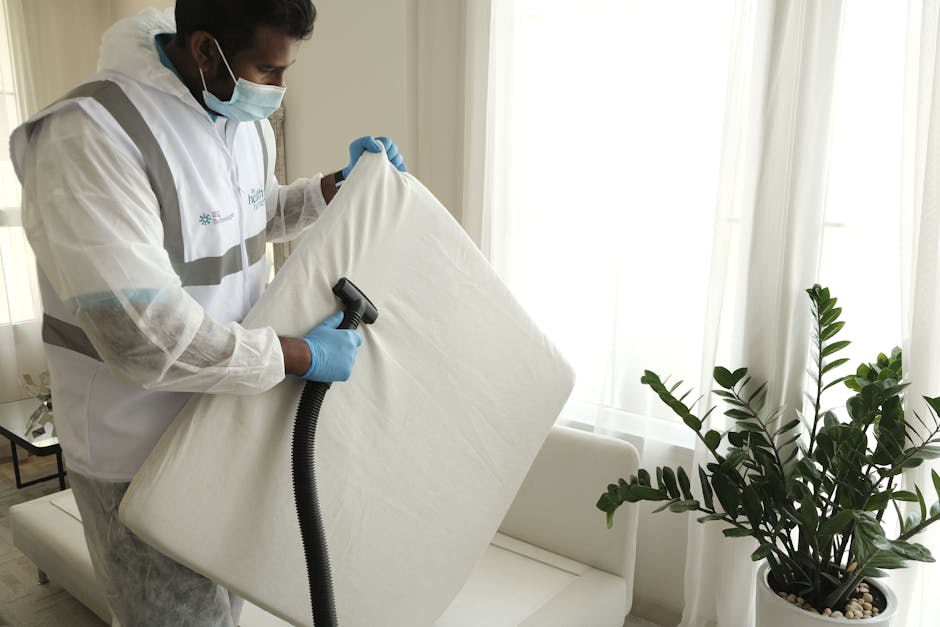
Professionals often use a combination of hand tools and protective gear. The exact toolset depends on the mattress construction, but the aim is usually to separate fabric layers, cut stitching or outer bindings, and then deal with internal metal or foam components in a safe sequence. If a bed base is attached, that may be dismantled as well, which is why mattress jobs often sit alongside broader bed disposal or furniture disposal work.
Then comes sorting. Recyclable foam, timber, textiles, and metal are separated where possible. This is the part many people never see, but it is one of the reasons a professional service can be cleaner and more efficient than a DIY attempt. The final stage is loading, transport, and disposal or recycling through appropriate waste channels.
To be fair, the task sounds simpler than it is. The real work is in keeping the whole chain tidy.
Key Benefits and Practical Advantages
The obvious benefit is safety. A mattress may not look dangerous, but the springs, staples, knives, and awkward lifting positions absolutely can be. Professional dismantling lowers the chance of cuts, strains, and trips, especially where stairs or narrow landings are involved.
There is also a time-saving benefit. If you have ever wrestled a mattress around a small corner in a terraced house, you already know what a 10-minute task can turn into. A professional approach usually gets the item out faster and with fewer surprises.
Another practical advantage is damage prevention. Scraped paintwork, dented skirting boards, and torn carpets are common when someone tries to force a mattress through a route that is simply too tight. A proper dismantling method helps avoid that. You notice the difference most in flats, maisonettes, and older London properties where hallways were never designed for modern oversized mattresses.
There is an environmental benefit too. When the mattress is separated into useful material streams, more of it can be diverted from general waste. For households and landlords looking to improve their disposal habits, that is a sensible step. If sustainability is part of your decision-making, it may also be worth reading more about recycling and sustainability alongside mattress removal.
And finally, there is peace of mind. You do not have to guess whether the job is being handled safely. That matters more than people admit, especially if you are arranging clearance between tenants or during a move.
Who This Is For and When It Makes Sense
Professional mattress dismantling is useful for a wide mix of people. Homeowners dealing with a replacement mattress, tenants moving out, landlords clearing a vacant property, letting agents preparing a turn-around, and tradespeople handling bulky waste all run into the same issue: the mattress is too awkward to deal with casually.
It also makes sense in properties where access is difficult. Think of top-floor flats, basement conversions, compact stairwells, or shared entrances where noise and disturbance need to be kept down. In those settings, a careful dismantling approach can be the difference between a smooth job and a very annoying afternoon.
For businesses, the need can be broader. Hotels, serviced accommodation, offices with sleeping facilities, and property managers may need regular, compliant removal of mattresses and related bulky items. In those cases, a professional arrangement is usually more reliable than trying to coordinate ad hoc disposal. If that sounds familiar, business waste removal may be worth a look.
There are also moments where you should not try to tackle it yourself at all. If the mattress is heavily contaminated, damaged by water, infested, or trapped in a difficult access route, a trained team is the safer option. Sometimes the smartest move is simply not to be heroic about it. Nobody wins a prize for wrestling a wet mattress down three flights of stairs.
Step-by-Step Guidance
Below is a practical overview of how professional mattress dismantling is usually carried out. The exact order may vary, but the logic is broadly the same.
- Inspect the mattress and access route. Check size, construction, condition, and the path to the exit. Stair width, door clearance, and landing turns all matter.
- Prepare the area. Move breakables, clear obstacles, and protect floors where necessary. A little preparation avoids a lot of frustration later.
- Put on the right protective equipment. Gloves, eye protection, and sturdy footwear are the basics. For dusty or heavily worn mattresses, a mask may be sensible too.
- Strip away outer materials. The outer cover, stitching, and fabric layers are opened carefully so the inner materials can be separated without a sudden release of sharp components.
- Remove internal components in stages. Springs, foam blocks, timber edges, or base elements are handled separately. This keeps the load more manageable and improves sorting.
- Secure sharps and loose debris. Staples, wires, and broken fragments should be collected immediately. Leaving them on the floor is how small accidents happen.
- Sort recyclable materials. Metal, fabric, foam, and wood are separated where possible. This is cleaner and usually more responsible.
- Remove the waste from site. The dismantled sections are carried out safely and loaded for disposal or recycling. No dragging, no throwing, no "it will be fine".
If you are handling a mattress at home, stop and ask yourself a simple question: do you really have the tools and room to do this safely? If the answer is even a maybe, it is usually worth choosing a proper collection route instead.
Expert Tips for Better Results
First, do not underestimate the access route. People often focus on the mattress itself and forget the hallway bend, the light fitting, or the awkward corner at the top of the stairs. Those details decide whether a job feels smooth or clumsy.
Second, use the right blade for the right material. A blunt or oversized cutting tool is not helpful. You want controlled cuts, not a wrestling match with foam and fabric. In real work, this is one of those small differences that matters a lot.
Third, work from the cleanest side first. If a mattress is stained, damp, or dusty, keep the mess contained and avoid spreading debris into the room. It sounds obvious, but once fibres and dust get loose, they travel. Quietly, too.
Fourth, think about sound and timing. In flats or shared buildings, early morning hammering or constant scraping is not just annoying; it can cause friction with neighbours. A careful professional tends to work quietly and with more discipline.
Fifth, plan the disposal route before you start. If the item is only dismantled but not collected properly afterwards, you have just moved the problem around. That happens more than you would think.
One more thing: if you are comparing services, ask how they handle mattress recycling, sorting, and safety. A clear answer is a good sign. A vague answer is not.
Common Mistakes to Avoid
One of the most common mistakes is trying to cut a mattress open without protecting the area. Springs can spring. Staples can flick. Foam bits get everywhere. The result is messy and not especially safe.
Another mistake is assuming all mattresses behave the same. They do not. A thin foam mattress is not the same as a thick pocket-sprung model with a rigid border. If you treat them as identical, you are more likely to tear materials badly or hit hidden metal parts.
People also forget about manual handling. A mattress might not be extremely heavy, but its size makes it difficult to grip securely. That is where back strain happens. Not dramatic, just annoying at first, then properly painful.
Leaving nails, staples, or loose wires on the floor is another classic error. It is the kind of thing that causes a cut foot or damaged flooring later in the day. Tiny problem, big irritation.
And then there is the "we can just push it out somehow" approach. Sometimes you can. Often you cannot. Forcing the issue usually creates wall scuffs, bent frames, or a very awkward moment halfway down the stairs. Been there, seen that, not ideal.
Tools, Resources and Recommendations
Professional mattress dismantling usually relies on a modest but carefully chosen set of tools. You do not need a van full of gear, but you do need the right items for a controlled job.
| Tool or item | What it is used for | Why it matters |
|---|---|---|
| Utility knife or safe cutting blade | Opening covers and fabric layers | Helps separate materials cleanly without excessive force |
| Heavy-duty gloves | Protecting hands from staples, rough edges, and dust | Reduces cuts and improves grip |
| Eye protection | Shielding from dust and small debris | Useful when cutting open older or damaged mattresses |
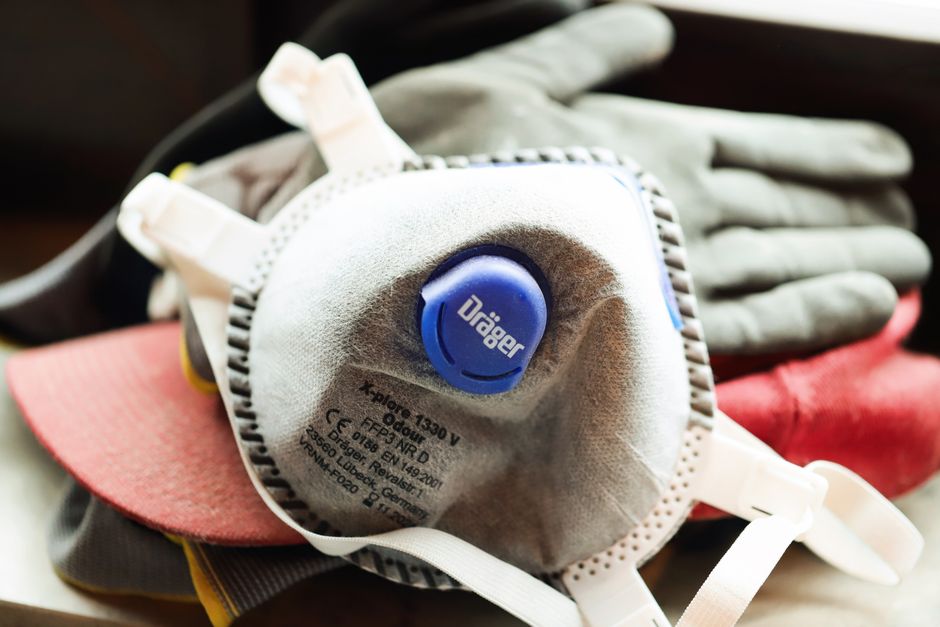
| Mask or respirator | Reducing inhalation of dust or fibres | Especially relevant for worn, mouldy, or contaminated items |
| Hand trolley or sack truck | Moving heavy or awkward sections | Makes transport safer and less tiring |
| Plastic sheets or floor protection | Protecting floors and nearby furnishings | Helps prevent scratches and mess |
| Waste bags or wraps | Containing smaller debris and loose material | Keeps the area tidy during and after dismantling |
Beyond tools, the most useful resource is a sensible disposal route. A mattress that has been dismantled well still needs to go somewhere appropriate. That may be through mattress collection, bulky waste collection, or a broader waste collection service depending on the situation.
For households clearing more than one item, it may also make sense to bundle the mattress with other furniture or domestic items. That can simplify the job, provided the access and load are planned properly. A lot of people end up calling for home clearance or house clearance once they see how much is actually involved. Fair enough, really.
Law, Compliance, Standards, or Best Practice
When people ask about safety standards, they usually want the plain-English version: what is expected of a responsible operator? In the UK, that generally means careful manual handling, suitable protective equipment, safe cutting practices, proper waste transfer, and reasonable steps to avoid harm to workers, residents, and the property.
There are also waste-handling expectations to consider. Mattresses should not be dumped illegally, left in communal areas, or broken down in a way that creates hazards for others. If a company is removing waste on your behalf, it should have a clear process for transport, segregation, and lawful disposal. That is part of basic best practice, not a bonus feature.
For businesses and landlords, keeping records and using a reputable service is sensible. If the mattress came from a commercial setting, there may be additional duty-of-care concerns around how the waste was stored, moved, and collected. The details can vary, so cautious handling is the safest position.
Insurance is another practical point. A professional operator should be able to explain how their work is covered and what happens if accidental damage occurs. That does not mean nothing ever goes wrong. It means there is a proper framework if it does.
One useful rule of thumb: if a job feels awkward, sharp, or contaminated, treat it as a controlled waste task rather than a casual household chore. That mindset helps people make better decisions, especially in shared buildings or busy properties.
Options, Methods, or Comparison Table
Not every mattress needs dismantling, and not every disposal route is the same. Here is a simple comparison to help you think it through.
| Method | Best for | Main advantage | Main drawback |
|---|---|---|---|
| Professional dismantling on site | Large, awkward, or access-restricted mattresses | Controlled, safer, and often more efficient | Needs proper tools and skilled handling |
| Whole-item removal | Mattresses that fit through the route easily | Fast and simple | Not always possible in flats or tight homes |
| Bulky waste collection | Single items or mixed domestic waste | Convenient for households | May have scheduling limits |
| Council collection | Residents who can wait for a booked service | Useful if you are working within local arrangements | Availability and rules vary |
| Full clearance service | Multiple items or larger cleanouts | Good for bigger jobs and time pressure | Can be more than you need for one mattress |
If you are deciding between these routes, ask two questions: how difficult is the access, and how much else needs clearing? Those two answers usually point you to the right option pretty quickly.
Case Study or Real-World Example
Imagine a third-floor flat in South London with a narrow staircase, one tight turn, and a double mattress that has seen better days. It is too bulky to comfortably carry whole, and the resident wants it gone before new furniture arrives the next morning.
A professional team would normally start by checking the route, then preparing the floor and surrounding walls. The mattress would be opened carefully, with the outer cover removed and the internal sections separated in a controlled order. Springs and foam would be handled separately, and any sharp fragments would be collected straight away rather than left to "deal with later", which, let's be honest, usually means never.
The result is a cleaner exit, less risk of damage, and a much better chance of recycling the useful parts. It also avoids that awkward moment where two people are stuck on a staircase trying to turn a mattress sideways while everybody pretends this is fine.
That sort of scenario is exactly where professional dismantling earns its keep. Not glamorous, but very practical.
Practical Checklist
Use this simple checklist before any mattress dismantling job:
- Confirm the mattress type and size
- Check whether the mattress can be removed whole first
- Measure the access route, including stairs and corners
- Clear the area of trip hazards and breakables
- Put on gloves, eye protection, and suitable footwear
- Prepare floor protection if needed
- Use controlled cutting tools, not improvised equipment
- Keep hands clear of springs, staples, and sharp edges
- Separate recyclable materials where possible
- Bag or secure loose debris before moving it
- Arrange the correct collection or disposal route in advance
- Check for damage to walls, floors, or shared spaces after removal
If you tick most of those boxes, you are in much better shape. If several of them are a no, it is probably time to bring in a specialist.
Conclusion
Professional mattress dismantling is not just about getting rid of an old bed. It is about handling an awkward object safely, keeping access routes protected, and making sure the waste is processed in a sensible, lawful way. The right tools, the right approach, and the right standards all play a part.
For households, landlords, and businesses alike, the main value is simple: less risk, less mess, and less uncertainty. And when you are dealing with a bulky item in a tight property, that can make all the difference. A careful job is often the one you remember least, which is exactly how it should be.
If you want a smoother, safer disposal route for a mattress or related bulky items, it is worth choosing a service that understands access, handling, and responsible waste removal from the start.
Get a free quote today and see how much you can save.
Frequently Asked Questions
What is professional mattress dismantling?
It is the controlled breakdown of a mattress into smaller parts so it can be moved, sorted, and disposed of or recycled more safely. The process usually includes careful cutting, separation of materials, and safe waste handling.
Do all mattresses need to be dismantled?
No. If a mattress can be removed intact without forcing it through tight spaces, that is often easier. Dismantling is most useful when access is limited or when the mattress construction makes whole removal impractical.
What tools are used for mattress dismantling?
Professionals commonly use cutting blades, gloves, eye protection, masks where needed, trolleys, and floor protection. The exact tools depend on the mattress type and the route out of the property.
Is it safe to dismantle a mattress yourself?
It can be done in some cases, but it is easy to underestimate the risk. Springs, hidden staples, dust, and awkward lifting all create hazards. If the mattress is large, damaged, or difficult to access, a professional is usually the safer choice.
Can a mattress be recycled after dismantling?
Often, yes. Different parts such as metal springs, foam, fabric, and timber can sometimes be separated for recycling. The amount that can be recovered depends on the mattress condition and the local processing route.
What are the main safety risks?
The main risks are cuts, puncture wounds, dust exposure, manual-handling injuries, and property damage. There is also a trip hazard if loose debris is left on the floor during the job.
How long does professional dismantling take?
It depends on the mattress type, access, and whether other items are being removed at the same time. A straightforward job may be relatively quick, while a difficult stair route or multiple items will take longer.
What if the mattress is contaminated or mouldy?
That needs extra care. Contaminated or mould-affected mattresses should be handled as a higher-risk job, with suitable protection and containment. It is best not to move or cut such items casually.
Is mattress dismantling different from mattress collection?
Yes. Mattress collection is the removal service itself, while dismantling is the process of breaking the mattress into safer, more manageable parts. Some services do both, depending on access and disposal needs.
How do I know if I need bulky waste collection instead?
If the mattress is part of a larger clear-out or you have other large items to remove, bulky waste collection may be more practical. It is often a better fit when you want to deal with several awkward items in one go.
What should I ask a provider before booking?
Ask how they handle safety, what tools they use, whether they sort recyclable materials, and how they manage disposal. Clear answers are usually a good sign. If the response sounds vague, keep looking.
Does professional dismantling cost more than standard removal?
It can, depending on access, item condition, and the amount of labour involved. But in many cases the extra cost is balanced by reduced risk, less damage, and a smoother job overall.
Can a landlord require mattress removal at the end of a tenancy?
In many situations, yes, if the mattress is left behind or the tenancy agreement requires waste to be removed. The practical detail depends on the tenancy terms and the condition of the property, so it is wise to handle this carefully.
What is the safest way to move a mattress down stairs?
If the mattress fits safely, move it with two people, good grip, and a clear route. If it does not fit well, do not force it. Dismantling or choosing a different removal method is usually the smarter call.
Sometimes the cleanest solution is also the calmest one. A little planning goes a long way, and a careful mattress removal can save a lot of hassle later.