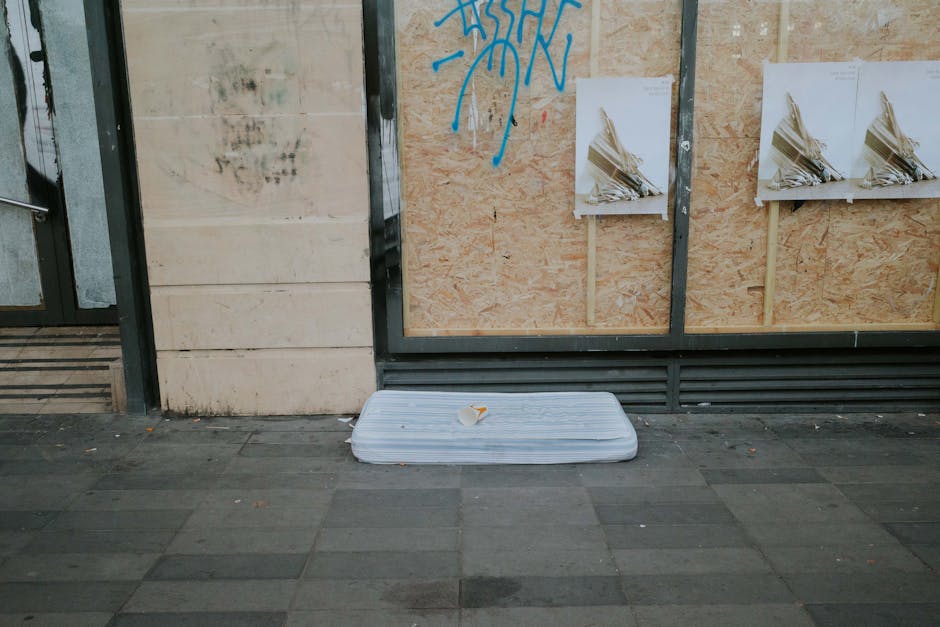
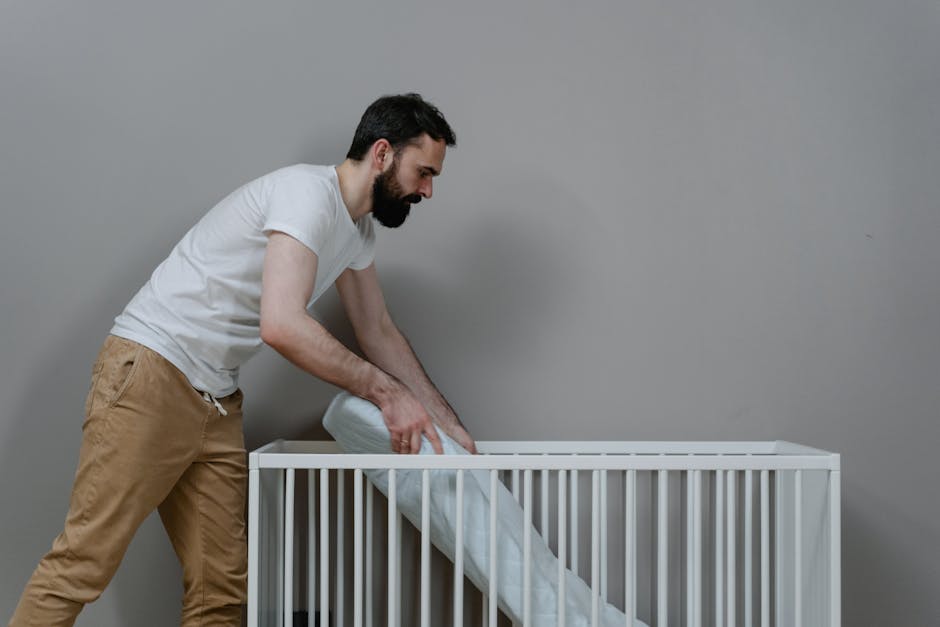
Preparing bulky mattress bundles for council pickup: a practical UK guide
If you are preparing bulky mattress bundles for council pickup, the job is usually less about lifting and more about getting the details right. Councils can be very particular about presentation, collection rules, and what counts as a single item. A mattress bundled badly can be left behind; a mattress bundled well is far easier to collect, safer to handle, and less likely to cause delays.
This guide walks you through the whole process in plain English: what "bundling" actually means, how to get a mattress ready, common mistakes to avoid, and when a council collection is the sensible option versus a private service such as mattress collection or bulky waste collection. If you only need one mattress removed, fine. If you are dealing with several items, awkward access, or a move-out deadline, the preparation matters even more.
Expert summary: the safest approach is to keep the mattress clean, dry, compact, and clearly identified, then check your local council's booking rules before moving it outside. That one extra phone call or website check can save a missed pickup and a surprising amount of frustration.
Why Preparing bulky mattress bundles for council pickup Matters
Mattresses are awkward items. They are bulky, springy, hard to grip, and often not very cooperative when you are trying to move them through a hallway or down a staircase. Once you add more items to the pile, the risk of blocked access, damaged walls, or a rejected collection goes up quickly. That is why good preparation is not just tidy housekeeping; it is part of making the collection work at all.
Many councils treat mattresses as bulky waste or large-item waste, and they will often specify how the item must be left out. Some councils want items separated; some allow limited bundling; others expect each mattress to be booked as a distinct large item. If you are unsure, it is worth checking your local council large item collection page or the wider council waste collection information before you start taping, wrapping, or tying anything together.
The practical reason is simple: collection crews need to move quickly and safely. If a mattress bundle is too heavy, too loose, or contaminated with rubbish, they may not take it. And if they do take it, a poorly prepared bundle can tear open, scatter debris, or become a manual-handling hazard for the crew.
There is also a waste hierarchy angle. A neat, accepted bundle is easier to route into reuse, recycling, or responsible disposal streams where available. That is one reason many people prefer to compare council arrangements with a professional service like mattress disposal when speed, certainty, or mixed items are involved.
How Preparing bulky mattress bundles for council pickup Works
At a basic level, the process is straightforward: you book the collection, prepare the mattress or mattress bundle to the council's instructions, place it in the approved location, and wait for pickup. In practice, the details vary from one council to another, which is why this task can feel more fiddly than it should.
Most councils want bulky items to be:
- dry and not soaking wet
- free from loose rubbish, bedding, or hidden contents
- accessible without the crew needing to enter your property
- presented on the right day and by the right time
- easy to identify as the booked item
If you are bundling a mattress with another item, such as a bed base or broken furniture, make sure the council permits that arrangement. A common misunderstanding is to assume that "bulky" means "everything can be tied together." Not always. For example, a mattress and a bed frame may be handled separately unless the council explicitly says otherwise. If you need a related service, the dedicated bed disposal page is often a better fit than treating it like generic rubbish.
In homes with narrow staircases or flats with limited lift access, preparation starts even earlier. You may need to measure doors, clear a route, protect corners, and decide whether the mattress should be taken apart from the base before it ever reaches the kerb. In shared buildings, the rules can be even stricter. A mattress left in a communal hallway because "it will only be there for an hour" is the kind of thing that annoys neighbours very quickly.
Some people also confuse council pickup with general rubbish removal. The difference matters. Council services can be cheaper, but they are often less flexible. Private services like rubbish removal or waste removal tend to offer more certainty on timing and handling, particularly if you are moving out or clearing several rooms at once.
Key Benefits and Practical Advantages
Good preparation delivers more than a neat-looking pile on collection day. It can improve safety, reduce the risk of refusal, and save time for everyone involved.
- Fewer missed collections: if the item is prepared exactly as requested, the crew is less likely to leave it behind.
- Better safety: a secure bundle is easier to lift and less likely to collapse during handling.
- Cleaner presentation: councils are much more willing to collect items that look intentional rather than dumped.
- Less stress on the day: you are not scrambling for tape, rope, or bin bags five minutes before the truck arrives.
- Better for shared spaces: tidy preparation reduces complaints in flats, terraces, and communal entrances.
There is a practical upside too: once you learn how to prepare a mattress properly, you can apply the same thinking to other bulky clear-outs. Furniture, sofa pieces, and mixed household items all benefit from the same calm, organised approach. That is why services such as furniture disposal and large item collection often use similar preparation principles.
For landlords, letting agents, and tenants at the end of a tenancy, the benefit is simple: clean handover. For families doing a room refresh, the benefit is speed. And if you are clearing a property after a move or refurbishment, bundling correctly can make a surprisingly messy job feel manageable.
Who This Is For and When It Makes Sense
This guide is relevant to anyone trying to remove a mattress through a council collection, but it is especially useful if you are in one of these situations:
- you are replacing a mattress and need the old one removed
- you are clearing a bedroom before moving house
- you live in a flat and need to avoid obstructing shared access
- you are disposing of multiple bulky items and want to keep the collection straightforward
- you manage rental property and need predictable waste handling
- you are dealing with mixed household waste and want to separate items properly
It also makes sense when the item is still in decent condition but no longer needed. Councils usually handle disposal, not resale or donation logistics, so if the mattress is reusable, you may want to explore another route first. If it is worn, stained, or no longer suitable for use, then council pickup or a specialist service is the right conversation.
In practice, council collection is best when cost and convenience matter more than same-day timing. Private collections make more sense when access is difficult, the property is occupied, or you need a precise removal window. That is where bulk waste collection can be a useful alternative to waiting around for a municipal slot.
Step-by-Step Guidance
Here is the most practical way to prepare a mattress bundle without making the job harder than it needs to be.
1. Confirm the council rules before touching the mattress
Start by checking what your council accepts, how many items can be booked, where they should be placed, and whether mattresses need to be wrapped, tied, or left separate. This step sounds obvious, but it saves the most hassle. A five-minute check is often worth more than twenty minutes of awkward lifting later.
2. Remove bedding, toppers, and loose items
Take off sheets, mattress protectors, toppers, pillows, and any tucked-away items. Councils and collectors generally want the mattress itself, not a surprise bundle of soft furnishings. If you are clearing a full bedroom, keep bedding separate for the appropriate waste stream or textile route.
3. Inspect the mattress for contamination
If the mattress is damp, badly contaminated, or infested, the council may have different rules. Be honest with yourself here. A visibly soiled mattress is not something to "hide" inside a bundle. It may need a different handling route or a specialist disposal service, depending on local rules.
4. Decide whether bundling is actually allowed
Some councils allow you to bundle items for easier handling; others do not want mattresses tied to other pieces. If the collection is for a mattress only, don't assume a bed base can be included just because it's nearby. If you have another bulky item, check whether it belongs under furniture collection or a dedicated bed service instead.
5. Secure the item sensibly, not excessively
If the council asks for bundling, use tape or straps only where appropriate. The goal is to keep the mattress stable, not compress it into a dangerous package. Do not use so much plastic wrap that crews cannot see what they are lifting. A neat, stable bundle is better than a tightly cocooned mystery object.
6. Move the bundle to the approved collection point
Place it exactly where requested. For houses, that may be the front boundary. For flats, it may be the communal collection point or ground floor entrance. Never block escape routes, fire exits, or access for pushchairs and mobility aids.
7. Keep the area clear on collection day
If the item is outside too early, it can get wet, disturbed, or mistaken for fly-tipping. If it is too late, it may miss the truck. Try to follow the time window closely, especially if your council gives a same-day or early-morning collection slot.
8. Photograph the set-out if needed
This is a small but useful habit. A quick photo can help if there is a dispute over whether the item was presented correctly. It is not about being difficult; it is about having a record if something goes wrong.
Expert Tips for Better Results
After handling a lot of bulky waste jobs, a few patterns become very clear. The smoothest collections are usually the ones where the homeowner or tenant has done the boring basics well.
- Measure the route before moving anything. Doors, bannisters, stairs, and tight turns are where mattresses get stuck.
- Use a second person for manoeuvring. Mattresses are awkward because they flex and catch air like an overgrown sail.
- Keep the bundle light enough for one safe lift if possible. If you would struggle to carry it, the crew probably will too.
- Avoid over-wrapping. Heavy plastic wrap makes inspection harder and is often unnecessary unless the council specifies it.
- Check nearby weather. Rain can turn a tidy mattress into a soggy nuisance very quickly.
- Plan for multi-item clearances early. If you are also removing a sofa, chair, or broken bed frame, a broader house clearance or home clearance may save time.
If you are dealing with a full room turnover, it can be sensible to group the job around one collection day rather than spread it across several. That is often where a broader service like waste clearance or furniture clearance becomes more practical than multiple council bookings.
One small but valuable habit: label or separate the mattress from unrelated junk. Crews are less likely to question a clearly presented item than a pile that looks like a confused general clean-out.
Common Mistakes to Avoid
Most failed mattress collections come down to a handful of avoidable errors. None of them are dramatic, but they add up.
- Assuming every council uses the same rules. They do not.
- Leaving bedding or loose rubbish inside the bundle. This is one of the fastest ways to trigger refusal.
- Blocking pathways or pavements. That can create safety and access issues.
- Forgetting the booking reference or set-out time. A collection window is not the same as an all-day promise.
- Trying to hide damaged or contaminated items. Be upfront about condition.
- Overestimating what one crew will take. A mattress plus bed, plus drawers, plus a pile of cushions can become a separate clearance job.
A less obvious mistake is underestimating how much room a mattress takes up even when you think it is "just one item." In a small hall or narrow front garden, it can dominate the entire access route. That is why a quick planning check is worth it.
If the collection includes a mattress and other household items, it may be smarter to book a broader service such as rubbish clearance or waste collection rather than trying to force everything into a narrow council definition of bulky waste.
Tools, Resources and Recommendations
You do not need specialist equipment to prepare most mattress bundles, but a few basic tools make the process calmer and safer.
- Work gloves: useful for grip and for avoiding scrapes from staples, wooden edges, or rough bed frames.
- Strong tape or straps: only if bundling is allowed and only to stabilise the item.
- Measuring tape: helpful for tight hallways, stair turns, and door widths.
- Dust sheet or old blanket: useful if you need to protect walls, floors, or communal areas while moving the item.
- Phone camera: good for evidence of set-out and condition.
- Bin bags: for bedding, loose screws, labels, or small debris found during the move.
For planning, start with the council site and compare it with service pages that explain broader disposal routes. If you are unsure whether the mattress belongs in a specific large-item category, large item collection and waste disposal pages can help you understand the distinction between specialist item removal and general refuse handling.
If you are comparing options, the website's pricing and quotes page is worth reviewing before making a final decision. That is especially useful when you have more than one item or when access is awkward.
Law, Compliance, Standards, or Best Practice
With council collections, the main thing to understand is that you must follow the local booking conditions and set-out instructions. Exact requirements vary by area, so it is safer to treat your council's guidance as the controlling rule rather than rely on general advice from friends or neighbours.
From a best-practice perspective, three principles matter most:
- Access: do not obstruct pavements, exits, or shared spaces.
- Safety: avoid unsecured bundles and heavy lifts that could cause injury.
- Accuracy: present exactly what was booked, and nothing more unless the council allows it.
If you live in a block of flats or a managed development, there may be additional building rules about communal areas, waste storage, or timing. In that setting, council rules are only part of the picture. It is often sensible to check the managing agent's instructions as well.
For business premises, the rules are different again. A mattress from an office, serviced accommodation, or commercial property may need a business-appropriate service like business waste removal rather than a residential council collection.
Health and safety is not just a formal phrase here. Mattress handling can involve dust, hidden sharp points, lifting strain, and trips in tight spaces. If a route feels unsafe, slow down or choose a service that can handle the item more directly. If needed, see the company's health and safety policy and insurance and safety information for additional reassurance.
Options, Methods, or Comparison Table
Not every mattress needs the same disposal route. The best option depends on how fast you need it gone, how many items you have, and how much handling is involved.
| Option | Best for | Main advantage | Possible drawback |
|---|---|---|---|
| Council pickup | Single items, planned removals, budget-focused households | Often the simplest low-cost route | Less flexible on timing and preparation rules |
| Private mattress collection | Urgent removals, awkward access, multiple items | More convenient and flexible | Usually costs more than council collection |
| Bulky waste collection | Several large household items together | Helps with mixed clearances | May not suit one-off mattress-only jobs |
| General rubbish removal | Mixed waste and household clear-outs | Good for broader clean-up jobs | Can be overkill for a single mattress |
For many readers, the choice comes down to this: if the mattress is the only problem and you can meet the council's requirements, council pickup makes perfect sense. If the job includes a bed base, sofa, or other household clutter, a service like sofa removal or waste removal may be easier overall.
Case Study or Real-World Example
Take a typical flat in west London: one double mattress, a broken bed frame, and limited hallway space. The resident books a council collection because the mattress needs to be gone before the new one arrives. At first, they assume they can bundle everything together and leave it by the front door.
That approach sounds efficient, but it creates three problems immediately. The bed frame does not fit the same handling rules as the mattress, the hallway is too narrow to store both items comfortably, and the collection instructions only allow the booked item to be presented in a specific way. The result would likely be a delay, or a missed collection altogether.
The better approach is simple:
- confirm what the council accepts
- separate the mattress from the frame
- remove bedding and loose fixtures
- move the mattress to the approved set-out point
- book the frame separately through the correct route if needed
In the end, the job takes less time, the access route stays clear, and the resident avoids a second round of lifting. It is a small example, but it shows the real value of preparation: the less you improvise on collection day, the smoother everything tends to go.
For properties with multiple items or more complex access, the same principle often leads people to use flat clearance or a broader home service instead of trying to split everything across separate pickups.
Practical Checklist
Use this quick checklist before collection day:
- Check the council's booking rules and item limits.
- Confirm whether bundling is allowed or required.
- Remove bedding, toppers, and loose contents.
- Inspect for damage, dampness, or contamination.
- Measure access routes and clear the path.
- Use safe lifting techniques and, if needed, a second person.
- Place the mattress exactly where the council requested.
- Keep communal areas, exits, and pavements unobstructed.
- Take a quick photo after set-out.
- Keep booking details handy in case of a query.
If you can tick off those points, you are already ahead of most people trying to arrange a bulky collection in a hurry.
Conclusion
Preparing a mattress for council pickup is not complicated, but it does reward attention to detail. When you follow the local rules, keep the item clean and accessible, and avoid guessing at the bundling requirements, you make the whole process much easier. That is true whether you are dealing with a single mattress, a bed and mattress combo, or a broader room clear-out.
The big takeaway is this: a well-prepared item is much more likely to be collected on time, handled safely, and accepted without drama. And frankly, that is the outcome everyone wants.
If your collection is urgent, includes multiple bulky items, or you want a more flexible alternative to council scheduling, it may be worth comparing disposal options and getting an itemised quote. A little planning now can save a lot of lifting later.
Get a free quote today and see how much you can save.
Frequently Asked Questions
Do councils usually collect mattresses on bulky waste rounds?
Many UK councils do collect mattresses as part of bulky waste or large-item services, but the exact process varies. Some require advance booking, some set item limits, and some have rules about wrapping or separating the mattress from other furniture.
Should I bundle a mattress with a bed frame for council pickup?
Only if your council specifically allows it. In many cases, the mattress and frame are treated as separate items, and trying to bundle them can lead to a refusal or an incomplete collection.
How should I prepare a mattress so it is accepted?
Remove bedding, make sure it is dry, keep it accessible, and follow the council's set-out instructions. If bundling is allowed, use only enough tape or straps to keep it stable and easy to handle.
Can I leave the mattress in a communal hallway before pickup?
Usually not. Shared hallways, exits, and access routes should stay clear. Put the mattress only in the location specified by the council or building management.
What if my mattress is damp or badly stained?
That may affect how it is accepted and handled. Councils often have specific guidance for contaminated or unsuitable items, so it is best to check the rules before setting it out.
Is council collection cheaper than private mattress removal?
Often yes, but council services are usually less flexible and may come with stricter preparation rules. Private removal is often chosen for speed, convenience, or more complex access.
How far in advance should I book a bulky pickup?
It depends on your council and local demand. In practice, booking early is the safest option, especially if you are moving house or coordinating other clear-out work.
What should I do if the council leaves the mattress behind?
Check whether it was presented according to the booking rules. Common reasons for refusal include incorrect placement, missed time windows, contamination, or bundling that does not meet the council's instructions.
Can I dispose of more than one mattress at once?
Sometimes, but councils may limit the number of large items per booking. If you have several mattresses or a full bedroom set, a broader service such as bulk waste collection may be more practical.
Are mattress collections available for flats and upper floors?
Yes, but access matters. Crews normally need safe, clear routes, and in some buildings you may need to bring the mattress to a ground-floor collection point first.
What is the safest way to move a mattress to the kerb?
Use two people if the route is tight, keep your path clear, and avoid twisting while carrying. Mattresses are awkward more than heavy, which is exactly why they catch people out.
When should I choose a private disposal service instead of council pickup?
If you need a specific time slot, have several bulky items, live with awkward access, or simply want a smoother one-stop process, a private service can be the better fit. It is especially useful when a mattress is part of a larger clearance.
Can I get help with other items at the same time?
Yes. Depending on what else you need removed, related services like furniture clearance, home clearance, or rubbish removal may be a better match than a mattress-only council booking.