Council bulky waste rules explained: mattress edition
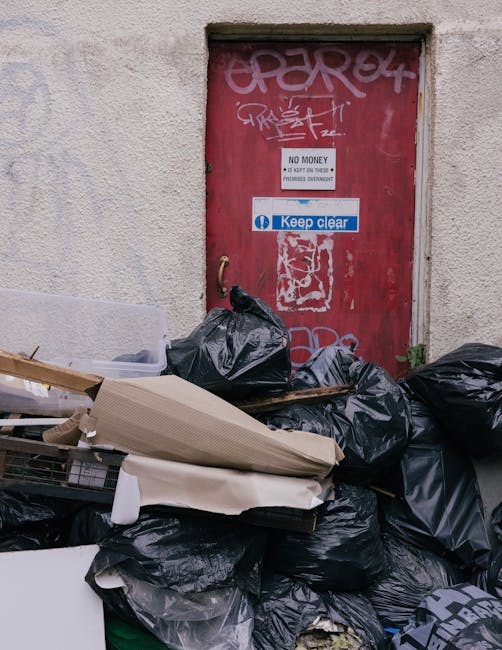
If you're trying to get rid of an old mattress, the process can feel oddly complicated for something that was, until recently, just part of your bed. Council bulky waste rules explained: mattress edition is really about one thing: how local authority collections usually work, what they tend to accept, and when a specialist mattress removal service makes more sense. The rules vary by council, the waiting times can be a bit unpredictable, and the mattress itself may need preparing before anyone will take it. So let's make it simple, practical, and properly useful.
In this guide, we'll break down the council bulky waste process in plain English, show you the common pitfalls, and help you decide whether a council collection or a private removal option is the better fit. If you've got a mattress leaning against the wall, wedged in a hallway, or propped up in the spare room because you're not sure what to do with it, you're in the right place.
You'll also find a step-by-step checklist, a comparison table, and a few real-world tips that people often only learn the hard way. Truth be told, mattresses are one of those items that look easy to dispose of, until you actually try.
Quick takeaway: council bulky waste collections can be a solid option for a mattress, but the exact rules, booking process, and preparation requirements depend on your local authority. If you want speed, flexibility, or help with stairs and awkward access, a dedicated mattress collection service may be the easier route.
Why council bulky waste rules explained: mattress edition Matters
A mattress is bulky, awkward, and not the kind of thing you can casually leave out with your weekly bin. Councils generally treat it as a bulky item, which means it often needs a separate booking. That sounds straightforward, but the details matter more than people expect. Some councils want the mattress left at the front boundary. Others specify a ground-floor handover. Some allow a set number of items per booking. Some won't collect contaminated, heavily soiled, or wet mattresses at all.
Why does that matter? Because a missed condition can lead to a rejected collection, wasted time, or an extra fee. And if you've booked time off work, sorted the flat, and shifted furniture around so the hallway is finally clear, the last thing you want is a no-show collection because the mattress wasn't prepared properly. We've all had that "really?" moment. Annoying, but avoidable.
There's also the environmental side. Mattresses can often be handled through recycling routes, but only if they're collected, transported, and processed correctly. That's where the council rules, local collection limits, and sorting expectations come in. In other words, this is not just admin. It affects convenience, cost, and whether the mattress ends up being recycled rather than treated as general waste.
If you live in London, the practical reality is even more varied. Dense streets, limited parking, stair access, and shared entrances all affect how a bulky item gets picked up. In a terraced house in south west London, for example, collection logistics can be very different from a ground-floor flat in outer boroughs. Small detail, big difference.
How council bulky waste rules explained: mattress edition Works
Most councils run a bulky waste service, sometimes called a large item collection or council rubbish collection. The basics are usually similar, even if the exact wording differs. You request a collection, specify the item, pay any applicable fee, follow the preparation rules, and wait for the collection date. Simple enough on paper. The devil is in the local details.
Typical council mattress collection flow
- Check eligibility. Your council may restrict the service to residents, landlords, or certain property types.
- Book the collection. This is often done online or by phone, depending on the council.
- Confirm the item. You may need to specify that the item is a mattress, whether it is single, double, king, or part of a bed frame set.
- Pay the charge, if any. Some councils charge per item or per load, while others have different pricing rules.
- Prepare the mattress. This may mean bagging, covering, or placing it in a specific pickup location.
- Place it out on time. Councils usually give a time window or require it to be out by a certain point the day before.
- Collection and processing. The mattress is removed and, where possible, sent through a reuse or recycling route.
That's the broad version. But councils often set extra conditions. For instance, some services won't collect items from inside your property. Others require clear access from the pavement. If your mattress is in a top-floor flat with a tight stairwell and no lift, you may need to arrange a different service that includes removal from inside the property. That's where reading the rules properly saves a lot of hassle.
A useful way to think about it: council bulky waste is designed for public-service efficiency, not bespoke lifting. If your job is straightforward, it can work well. If it's awkward, time-sensitive, or involves several heavy items, you may need a more flexible option.
Key Benefits and Practical Advantages
When the council collection fits the job, it can be a practical and sensible option. It's not always the fastest route, but it can be the simplest for residents who know the rules and can work within them.
- Convenient for local residents: You don't have to organise transport or hire a vehicle.
- Clear process: Councils usually publish what they accept, how to book, and where to leave the item.
- Potentially cost-effective: Depending on the local authority, a council bulky collection may cost less than arranging a one-off private removal.
- Supports recycling: Mattresses may be processed through reuse or recycling systems where available.
- Useful for single-item disposal: If it's just one mattress and you can place it out easily, the council route can be very tidy.
There's another subtle advantage: less decision fatigue. If you only need to get rid of one mattress and a nearby council service is available, the choice can be refreshingly boring. And sometimes boring is exactly what you want.
That said, the best option is the one that matches your situation. A cheap service that doesn't fit your property layout can become expensive in time and stress. A slightly pricier service that removes the mattress from a fifth-floor flat without fuss may actually be better value. Fairly often, people judge this too quickly by headline price alone.
Who This Is For and When It Makes Sense
This guidance is for anyone dealing with a mattress that no longer belongs in the house. That could mean an old sprung mattress, a memory foam mattress, a guest bed mattress, or a damaged item that's past repair. It's also useful for landlords, letting agents, house movers, and anyone clearing a property after tenants leave.
Council bulky waste rules are especially relevant if:
- you have one or two large items and want a straightforward disposal route;
- you live in a property where council access requirements are manageable;
- you're not in a rush and can work around the council's collection date;
- you prefer to use a local authority service where available;
- you're trying to avoid hiring a van for a single mattress.
It may make less sense if:
- you need same-day or next-day removal;
- the mattress is upstairs and difficult to move;
- you have multiple bulky items, not just one mattress;
- the council's rules are unusually restrictive;
- you need removal from inside the property or from a tricky site.
In our experience, flats and properties with narrow staircases are where this decision gets interesting. A mattress might be light enough to drag, but not light enough to manage neatly through a shared entrance at 7am without bumping the walls. You know the scene. It's not fun.
Step-by-Step Guidance
If you want to avoid the usual mishaps, it helps to treat mattress disposal like a small project rather than a random chore. Here's a calm, practical way to handle it.
1. Identify exactly what you are disposing of
Is it just the mattress, or is there a divan base, bed frame, or headboard too? Councils often count these as separate bulky items. A mattress alone may be accepted, but a complete bed set can change the price and the booking rules. If you're not sure, list each piece before you book.
2. Check your council's bulky waste rules
Look for the service details on your council's waste page. You're checking for:
- what items are accepted;
- how many items can go in one booking;
- whether mattresses must be bagged or wrapped;
- where the item should be left;
- the booking deadline and collection window;
- charges or exemptions.
Small wording changes matter. "At the boundary" is not the same as "inside the porch". Councils can be quite precise here, and for good reason.
3. Measure the access route
This sounds overcautious until you've tried turning a king-size mattress around a tight landing. Check door widths, stair turns, lift size, and whether the item can be taken out without damage. If the route is tight, a specialist collection may save you a lot of sweat. Literally.
4. Prepare the mattress properly
Some councils require the mattress to be clean and dry, or bagged to reduce mess and contamination. Even when bagging is not mandatory, it's often a good idea if the mattress is dusty, frayed, or being placed outside overnight. Keep the process neat. Damp, dirty, or torn items are more likely to be refused by some services.
5. Place the mattress out at the correct time
This is one of the easiest places to go wrong. Put it out too early and it becomes an eyesore; too late and you may miss the collection. If the service says "by 6am", believe them. Not "roughly around then". If in doubt, set an alarm, because council crews do not always arrive when you'd hope.
6. Keep proof of booking
Save your confirmation email, reference number, or receipt. If there's a problem, this is the first thing you'll need. It's boring admin, yes, but boring admin is often the difference between a smooth pickup and a long phone call.
7. Have a fallback plan
If the mattress is not collected, or if the council cannot take it due to access or contamination issues, know what you'll do next. Will you rebook? Move to an alternative mattress disposal service? Store it temporarily? Planning that before the collection date is a small kindness to your future self.
Expert Tips for Better Results
There are a few habits that make mattress disposal easier almost every time.
- Book early in busy periods. Bank holidays, student move-out windows, and end-of-tenancy rushes can stretch council collection slots.
- Keep the mattress dry. Rain can make a collection awkward, and some services dislike wet items.
- Do not block shared access. In flats or terraces, a mattress left badly can upset neighbours or obstruct exits.
- Photograph the item before collection. This helps if you need evidence of condition or booking compliance.
- Ask about combined items. If you're also clearing a bed base or sofa, bundling the job may be more efficient.
- Think about recycling first. If the mattress is usable, some routes may favour reuse or specialist recycling rather than mixed waste disposal.
One little tip that saves headaches: if your mattress has a removable protector or topper, strip it off before collection unless the council specifically says otherwise. It keeps the item cleaner and reduces confusion over what is being taken.
Also, don't assume every mattress is treated the same. A stained or pest-affected mattress may need a different handling approach. Better to ask first than to be turned away on collection day. Nobody enjoys that kind of surprise.
Common Mistakes to Avoid
Most problems with council bulky waste collections are not dramatic. They're small, ordinary mistakes that snowball.
- Assuming all councils have the same rules. They do not. Not even close.
- Leaving the mattress in the wrong place. A front path, lobby, or shared hallway may not count as a valid collection point.
- Forgetting extra items count separately. A mattress, base, and frame may be three items, not one.
- Ignoring condition requirements. Wet, dirty, or contaminated mattresses may be refused.
- Booking too late. If you need the room cleared by a certain date, don't leave it to the last minute.
- Not checking access. Large items can be rejected if crews cannot reach them safely.
- Leaving the item unsecured. In windy weather, a mattress placed outside can move around more than you'd think. A bit of tape or a tidy wrap can help, if allowed.
To be fair, these are the sorts of mistakes people make when they're juggling work, keys, bins, and a dozen other life admin tasks. But they're still avoidable. Slow down for ten minutes and you'll likely save yourself an afternoon.
Tools, Resources and Recommendations
You do not need a van-load of equipment to dispose of a mattress properly, but a few simple tools can make the job easier.
- Measuring tape: Useful for checking doorways, stair bends, and lift access.
- Protective gloves: Helpful if the mattress is dusty or has sharp internal components poking through.
- Heavy-duty mattress bag: Useful where wrapping is recommended or where you want to keep the item clean.
- Tape or straps: Can help keep loose covers secure during handling.
- Mobile phone camera: Handy for booking confirmation, before-and-after photos, and evidence if a collection is missed.
- Booking confirmation details: Keep these somewhere easy to find, not buried in your inbox somewhere near a discount code from six months ago.
For a broader understanding of disposal routes, it can also help to explore related pages on mattress disposal, mattress collection, and bulky waste collection. If you are dealing with other items at the same time, pages such as furniture clearance and large item collection may also be relevant.
If you're comparing different disposal paths, the pricing guidance at pricing and quotes can be useful too. And if sustainability is on your mind, it's worth reading the site's page on recycling and sustainability so you can make a more informed choice. Simple stuff, but useful.
Law, Compliance, Standards, or Best Practice
This part matters because mattress disposal is not just about convenience. Waste handling in the UK is shaped by local authority rules, environmental responsibilities, and general best practice around safe handling and proper disposal. Council services usually have their own published conditions, and those conditions can be as important as the headline price.
As a resident, your main job is to follow the council's booking instructions exactly and present the item in the condition and location requested. That usually means:
- using the correct booking channel;
- staying within the item limits for the service;
- placing the mattress where instructed;
- avoiding prohibited materials or contamination;
- keeping access clear for collection crews.
Best practice also includes safe manual handling. Mattresses can be awkward rather than dangerously heavy, but that does not make them harmless. If you're lifting one down stairs, twisting through a narrow doorway, or moving it alone, take care. If it feels awkward, it probably is awkward. That's your cue to get help.
For households or landlords handling larger clear-outs, it's sensible to use services that are insured, clearly booked, and transparent about what happens to collected waste. Pages such as insurance and safety and health and safety policy may help you understand how a provider frames responsible collection. If you need a more general service overview, waste removal and waste disposal are useful supporting pages.
One careful note: council rules and private service standards are not the same thing. Councils may be more rigid on access and timing, while private services often provide more flexibility. Neither is automatically better. It depends on the job in front of you.
Options, Methods, or Comparison Table
Here's a simple comparison of the main ways to deal with a mattress. This is where people usually make the decision in practice.
| Option | Best for | Pros | Potential drawbacks |
|---|---|---|---|
| Council bulky waste collection | Single mattress, flexible timing, residents following local rules | Often straightforward, locally arranged, may be cost-effective | Limited dates, strict preparation rules, access restrictions |
| Private mattress collection | Urgent removals, awkward access, upstairs flats, multiple bulky items | More flexible, usually faster, can include lifting from inside | May cost more depending on scope and timing |
| Drop-off or self-transport | People with vehicle access and time to spare | Can be economical if you already have transport | Requires lifting, loading, and site access; not always convenient |
If your mattress is just one item and you have easy access, the council route can be the neatest choice. If you need speed, flexibility, or help carrying it out, a specialist collection may be the better fit. A lot of people start by wanting the cheapest option, then realise the cheapest option is not always the least stressful. There's a difference, and it matters.
Case Study or Real-World Example
Imagine a tenant in a two-bedroom flat in west London who needs to replace an old double mattress before a move-out inspection. The council accepts bulky waste, but the booking slot is five days away and the mattress has to be left at the boundary by 7am. The tenant works early shifts, the building has a narrow stairwell, and the flat shares a common entrance with neighbours who are already fed up with clutter in the hall.
At first glance, the council option looks fine. But once they factor in the timing, the access issues, and the need to get the mattress downstairs without blocking the staircase, the plan becomes less appealing. A specialist mattress collection service offers a narrower collection window and removal from inside the property, which reduces the risk of neighbour complaints and missed collection. In that situation, the private route may actually be the calmer, more practical choice.
Now flip the scenario. A homeowner in a ground-floor property in south west London has one old mattress, clear front access, and no rush. The council service accepts the item, the booking process is simple, and the collection fee is reasonable. That's a perfectly good use case for bulky waste collection. No drama. No fuss. Job done.
The point is not that one route is always better. It's that the right choice depends on access, timing, number of items, and how much lifting you want to do yourself. Basic, but easy to overlook when you're staring at an old mattress and just want it gone.
Practical Checklist
Use this before you book or put the mattress out.
- Confirm whether the item is just a mattress or part of a bed set.
- Check your council's bulky waste page for accepted items and collection rules.
- Note any fees, item limits, and booking deadlines.
- Measure access points if the mattress must be moved through the property.
- Decide whether the mattress needs bagging or wrapping.
- Clear the collection route and the pickup point.
- Place the item out at the exact time required.
- Save your booking confirmation and reference number.
- Have a backup plan if the council cannot collect it.
- Consider whether a private collection would be easier for stairs, tight turns, or urgent timing.
Simple rule of thumb: if the mattress can be collected without complex lifting, awkward timing, or access problems, council bulky waste is often a good fit. If not, you may save yourself a lot of bother by using a more flexible service.
Conclusion
Council bulky waste rules explained: mattress edition comes down to a straightforward idea with a few local wrinkles: check the rules, prepare the mattress correctly, and choose the disposal route that matches your property and your schedule. For some households, the council collection will be the easiest and most affordable solution. For others, especially in flats or time-sensitive situations, a specialist mattress removal service will make life much simpler.
The best outcome is the one that gets the mattress out safely, legally, and without unnecessary stress. That's really what you're aiming for. Not perfection. Just a clean, calm result that doesn't turn into a weekend project you never wanted in the first place.
If you want a service that's built around convenience, clear pricing, and practical mattress removal, take a moment to compare your options before booking. A few minutes now can save you a lot of lifting later.
Get a free quote today and see how much you can save.
Frequently Asked Questions
Do councils collect mattresses as bulky waste?
Usually, yes, but the exact service depends on the local council. Some include mattresses in their bulky waste or large item collection service, while others have stricter booking conditions or item limits. Always check the local rules before you book.
Do I need to bag a mattress before council collection?
Sometimes, but not always. Some councils ask for mattresses to be wrapped or bagged to keep them clean and manageable. Others do not require it. If the item is dusty, damaged, or being left outside, wrapping is often a sensible idea anyway.
Can the council take a mattress from inside my home?
Not always. Many council services only collect from an external point, such as the boundary or kerbside. If you need the mattress removed from inside the property, a private removal service may be more suitable.
How much does council mattress collection cost?
Prices vary by council, and some services are priced per item while others use a load-based fee. Because rates change locally, it is best to check the current council booking page rather than assume a general price.
What if my mattress is damaged or stained?
Heavily stained, wet, or contaminated mattresses may be refused by some councils. If the item is in poor condition, check the service rules carefully before booking. In some cases, a specialist service may be better placed to handle it.
Can I put a mattress out with my normal rubbish bin collection?
Usually no. Mattresses are bulky waste items and are not collected with standard household waste. They normally need a separate bulky waste booking or another approved disposal route.
What happens to a collected mattress?
That depends on the council or service provider. Where possible, mattresses may be directed toward recycling or recovery processes. If they cannot be reused or recycled, they may be treated as residual waste. The exact route varies.
Can I dispose of a mattress with a bed frame too?
Yes, but the bed frame may count as a separate item. A mattress, bed base, and frame are often treated individually for booking and pricing purposes, so check how the council counts each component.
Is council bulky waste better than private mattress removal?
It depends on your situation. Council collection can be cost-effective and fine for simple cases. Private removal is often better if you need flexibility, faster timing, or help getting the mattress out of the property.
How far in advance should I book a mattress collection?
As early as you can, especially during busy moving periods or holidays. Council collections can fill up quickly, and some services have fixed dates rather than flexible appointments.
What if the council misses my collection?
Keep your booking confirmation and contact the council as soon as possible. Take a photo if the mattress was placed correctly and on time. Sometimes the issue is access, timing, or a missed round, and you may need to rebook.
Can one mattress be collected with other bulky items?
Often yes, provided the service allows multiple items in one booking and you stay within the council's limits. If you're clearing a bedroom or moving house, it can be useful to group items together rather than booking them separately.
Are council bulky waste rules the same across London?
No. London councils can differ quite a lot in fees, booking methods, access rules, and item restrictions. Even neighbouring boroughs may have different requirements, so it is worth checking the exact local guidance.
What is the easiest way to get rid of a mattress quickly?
If speed matters most, a dedicated mattress collection service is often the simplest option, especially if you have stairs, limited parking, or a tight deadline. If you are not in a rush and the council rules suit your property, bulky waste collection may still be the easiest overall.
Should I keep proof of collection booking?
Yes, absolutely. Save the confirmation email, reference number, or receipt until the mattress has been removed successfully. It makes any follow-up much easier if something goes wrong.