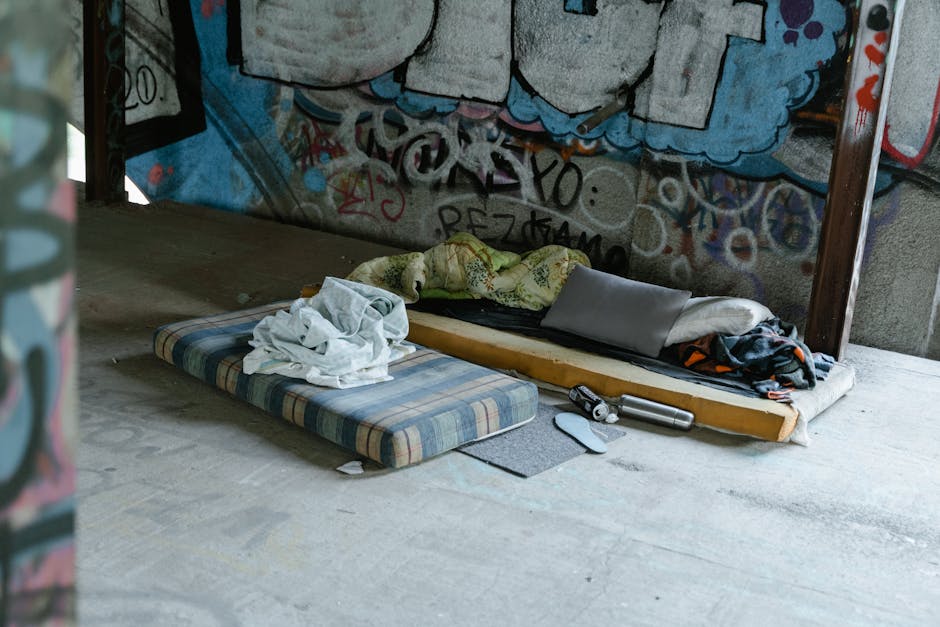
5 common mattress disposal myths debunked

Getting rid of an old mattress sounds simple enough, until you start hearing half-truths from neighbours, shop staff, online forums, and that one mate who always seems to "know a guy". Truth be told, mattress disposal trips people up more than it should. The myths are stubborn, and they can lead to wasted time, unnecessary lifting, hidden costs, or even the wrong disposal method.
In this guide, we're breaking down 5 common mattress disposal myths debunked in plain English. You'll learn what usually goes wrong, what actually matters, and how to make a sensible choice whether you're replacing a single bed in a flat or clearing several bulky items at once. If you want a better sense of how mattress removal fits into wider clearance work, it can also help to look at related services like mattress collection or broader waste removal options.
Let's get into it. No drama, no fluff, just the stuff that actually helps.
Why debunking mattress disposal myths matters
A mattress is bulky, awkward, and not something most people keep in their weekly rubbish routine. That alone creates confusion. Add in disposal rules, recycling concerns, building access, and the fact that a mattress can't just be left on the pavement and forgotten, and you've got a job that rewards good information.
Myths matter because they change behaviour. Someone who believes a mattress can always go out with normal rubbish may try to force it into a bin store. Someone who thinks every mattress must be taken to a tip themselves may spend a whole Saturday wrestling it into a car. And someone who assumes all disposal options are basically the same could end up paying more than needed, or choosing a less sustainable route.
There's also a practical side. Mattresses are heavy, unwieldy, and easy to damage walls, stair rails, and door frames with. If you live in a London flat, especially in a narrow stairwell or a top-floor conversion, the wrong plan can turn into a very sweaty hour. Not fun.
Debunking the myths helps you:
- choose the right disposal method first time
- avoid preventable damage or lifting injuries
- understand what councils, reuse options, and private removal services usually expect
- reduce the chance of mattress fly-tipping or improper disposal
- save time by matching the job to the right service
Key point: mattress disposal is simple only when the facts are clear. Once you strip away the myths, the decision usually becomes much easier.
How mattress disposal really works
Most mattress disposal routes fall into a few broad categories. You may be able to book a council large-item collection, use a private bulky waste collection, arrange a mattress pickup with a specialist service, or take the mattress yourself to an appropriate disposal point if you have the transport and help.
What happens next depends on the route you choose. In many cases, the mattress is collected from your property, loaded by the crew, and then taken for sorting. Depending on its condition and the local setup, it may be reused, broken down for recycling, or sent for disposal where no better option is available. A mattress isn't just one material; it usually contains fabric, foam, springs, wood, and adhesives, so handling and sorting matter.
For households clearing more than one bulky item, a broader service may be more sensible than arranging separate pickups. If you're also getting rid of an old bed frame or other large furniture, a service such as bed disposal or furniture disposal can be more efficient than tackling the mattress on its own.
Here's the basic flow most people experience:
- You decide whether the mattress is reusable, recyclable, or simply ready for removal.
- You check what collection method fits your building, location, and timing.
- You confirm access, parking, lift use, and any lifting help needed.
- You book the collection or prepare for drop-off.
- The mattress is removed and passed into the next stage of sorting or processing.
That's the honest version. No magic, no complicated ritual. Just a sensible chain of decisions.
Myth 1: "You can always leave a mattress out with regular rubbish"
This is one of the most common misconceptions, and it causes trouble. Mattresses are bulky items, and they're often handled differently from everyday household waste. Leaving one out with standard rubbish can lead to refusal, missed collection, or local issues with neighbours and building managers.
Even where a council offers a large-item collection, the mattress usually needs to be booked correctly and presented in line with the service rules. The exact process varies, so it's better to check the collection route than assume the usual bin day will cover it. If you also need to dispose of other bulky household waste, look at a dedicated option like bulky waste collection or large item collection.
Myth 2: "Every mattress has to go to landfill"
Not true. Some mattresses are reusable if they're in decent condition, and others can be broken down for material recovery. Foam, metal springs, wood, and textiles may be separated where facilities and collection methods support that. The exact recycling route depends on condition, contamination, and the local system.
This is where people often lose the plot a bit. A mattress that looks "done for" might still have recyclable components, while one that seems fine on the surface may be unsuitable if it's badly stained or damaged. The point is not perfection; it's matching the item to the right process.
Myth 3: "It's always cheaper to do it yourself"
Sometimes yes. Often no. If you already have a van, strong help, parking access, and a clear route to a disposal point, DIY removal can be economical. But once you factor in fuel, loading time, missed work, stress, and the awkward reality of carrying a mattress down stairs, the savings can shrink quickly.
There's also the hidden cost of getting it wrong. If a mattress won't fit, gets wet in transit, or ends up needing a second journey, the "cheap" option may stop feeling cheap. A fixed-price collection may be better value when you need speed, convenience, or peace of mind. If you're comparing costs, see pricing and quotes for the kind of factors that usually affect the final figure.
Myth 4: "Any waste company can handle mattress disposal the same way"
Not really. Some providers specialise in mattresses and furniture, while others focus on mixed rubbish, house clearance, or trade waste. That distinction matters because the crew needs the right equipment, vehicle space, and handling process. A mattress is bulky in a way a black bag of rubbish simply isn't.
If the mattress is part of a wider clear-out, a broader service such as house clearance, home clearance, or flat clearance may be a better fit. That can be especially useful if you're moving, downsizing, or clearing a rented property between tenancies.
Myth 5: "It doesn't matter how the mattress is prepared"
Preparation does matter, just not in an overcomplicated way. If the mattress is wet, heavily soiled, or mixed with bedding, the collection may be less efficient or not suitable for reuse. If it's easy to access, clear of loose items, and ready to lift, the process is smoother for everyone. Small thing, big difference.
You don't need to wrap it in anything unless the collection provider tells you to. But you do want to remove bedding, check access, and keep pathways clear. That's just courteous, really.
Key Benefits and Practical Advantages
Once the myths are out of the way, the benefits of making a good disposal decision become obvious. Mattress removal is one of those jobs where a little planning gives you a disproportionately good result. You save energy now, and you avoid faffing later.
- Less hassle: the right disposal route reduces lifting, loading, and repeat trips.
- Better safety: mattresses are awkward and can slip. Handling them properly lowers the risk of strain.
- Cleaner homes: an old mattress removed promptly frees up space in bedrooms, spare rooms, and hallways.
- Better property presentation: useful if you're selling, letting, or preparing a rental property.
- Potentially better sustainability: where reuse or recycling is possible, the mattress is less likely to be treated as simple rubbish.
There's another benefit people don't always talk about: mental relief. Old mattresses linger in corners, lofts, garages, and spare rooms longer than they should. You keep walking past them. They become part of the scenery. Once removed, the room feels different straight away. Fresher, lighter, less cluttered. A small win, but a real one.
Expert summary: the best mattress disposal choice is usually the one that balances access, cost, time, and condition. Not just the cheapest option on paper.
Who This Is For and When It Makes Sense
This advice is for anyone with an old mattress that needs to go, but the details matter depending on your situation.
You may especially need this if you are:
- replacing a mattress at home
- clearing a rental flat between occupancies
- dealing with a mattress in a loft, cellar, or garden room
- managing several bulky items after a move
- removing a mattress from a shared property or managed building
- sorting through inherited belongings or long-unused rooms
If you're already planning to clear a bedroom set, it can make sense to bundle the mattress with related items. In practice, it is often simpler to remove a mattress alongside a sofa, bed frame, or similar furniture than to deal with each item on its own. Related pages such as sofa removal and furniture collection can be helpful if the job is part of a bigger clear-out.
When does it make sense to book help rather than doing it yourself? Usually when the mattress is large, the access is awkward, you're short on time, or you simply do not want to wrestle a king-size mattress through a narrow stairwell on a rainy Tuesday evening. Honestly, fair enough.
Step-by-Step Guidance
Here's a practical way to handle mattress disposal without overthinking it.
- Check the mattress condition. If it is clean and usable, consider whether reuse is realistic. If it is damaged, stained, or heavily worn, plan for disposal or recycling.
- Decide how urgent it is. If the mattress needs to go today, a private collection may suit better. If timing is flexible, a council or scheduled route might work.
- Measure access. Look at stair width, lift size, hallway corners, doorway clearances, and parking. This is the bit people skip, then regret.
- Remove bedding and loose items. Strip sheets, protectors, pillows, and anything tucked around the mattress.
- Choose the right service. Single mattress? Broader furniture? Whole-room clearance? Match the option to the job.
- Book with clear details. Be precise about size, quantity, floor level, and access. That helps avoid delays or surprises.
- Prepare the route out. Move shoes, bins, toys, and clutter out of the way so the crew or helpers can work safely.
- Keep an eye on weather if you're self-moving. A damp mattress is unpleasant to handle and can become heavier than you'd expect.
If you are in London or another busy urban area, timing can matter. Midweek mornings often feel easier than late Friday afternoons, especially where parking is tight and stairwells are already busy. That's not a hard rule, just a practical observation from how these jobs tend to unfold.
Expert Tips for Better Results
These are the little things that make the job smoother.
- Take a photo before booking. It helps if you need to explain the mattress type or access to a collection team.
- Check the base as well. If the bed frame is worn out too, disposing of both together may be more efficient.
- Plan for stairs early. In flats, stair turns are often the real obstacle, not the front door.
- Ask about lifting support. Don't assume one person can manage it safely.
- Separate the "must go now" items from the "can wait" items. That keeps the collection straightforward.
- Think about the full room, not just the mattress. If the bedroom is being refreshed, a broader clearance may save time overall.
A small detail, but an important one: if the mattress is going from a damp loft or garage, air it out before handling where possible. It makes the process less grim. No need to pretend otherwise.
Common Mistakes to Avoid
Most mattress disposal mistakes are easy to avoid once you know what to look for.
- Assuming all collection methods are identical. They are not.
- Forgetting to check access. Narrow hallways and tight parking can slow the job down fast.
- Leaving the mattress outside too early. This can create nuisance issues or weather damage.
- Booking the wrong service type. A mattress with a bed frame, divan base, and other furniture may need more than a single-item pickup.
- Ignoring condition. A dirty or damaged mattress may have fewer reuse options.
- Trying to do it alone when it is clearly a two-person job. Your back will not thank you.
The biggest mistake, though, is probably procrastination. Old mattresses are easy to postpone because they sit quietly in a spare room and do not shout at you. Until they do. Usually when someone is coming to stay.
Tools, Resources and Recommendations
You do not need a whole toolbox to dispose of a mattress properly, but a few simple things help:
- a tape measure for access checks
- a phone camera to photograph the item and route out
- a checklist for bedding, bed bases, and extra furniture
- gloves if you are moving the mattress yourself
- help from another adult for larger sizes
If you are also clearing the rest of the room, related services can be useful. For example, rubbish clearance can help where the mattress is just one part of a wider pile, while waste clearance may suit larger mixed loads. If the item is being removed from a business premises, business waste removal is worth considering instead of a domestic-only option.
For many readers, the best resource is simply a clear, upfront quote. Not glamorous, but effective.
Law, Compliance, Standards and Best Practice
Mattress disposal in the UK is not something to treat casually. Exact council arrangements vary, and legal duties can differ depending on whether you are a homeowner, tenant, landlord, or business. That is why it is wise to follow local collection instructions carefully and use a legitimate disposal route.
From a best-practice point of view, a few principles hold up well:
- do not leave bulky waste where it could obstruct pavements, communal areas, or fire routes
- do not assume a mattress is acceptable in normal household rubbish without checking local rules
- keep records or booking confirmations if you are arranging a collection for a property you manage
- use insured, traceable, and professionally run services where possible
If you're managing a property, the practical standard is simple: keep the item removal compliant, safe, and documented. That matters in rented homes, HMOs, managed blocks, and commercial settings. Services with clear policies around insurance and safety and health and safety policy can give added reassurance.
And yes, it's worth being a little picky here. Good waste handling is one of those unglamorous things that quietly protects everyone.
Options, Methods and Comparison Table
Choosing a mattress disposal method usually comes down to speed, access, convenience, and what else needs removing. Here's a simple comparison.
| Method | Best for | Pros | Things to watch |
|---|---|---|---|
| Council large-item collection | Single items or non-urgent removal | Often straightforward and familiar | Booking rules, timing, and item limits can vary |
| Private mattress collection | Fast removal, awkward access, busy households | Convenient, often flexible, can include lifting | Compare what is included before booking |
| DIY disposal | People with a van and help | Potentially cheaper if everything lines up | Loading, transport, and disposal point access can be a pain |
| Full clearance service | Multiple bulky items or room clear-outs | Efficient for bigger jobs | May cost more than a single-item collection |
If you are only removing one mattress, a simple pickup may be enough. If you are clearing a whole bedroom, a wider service can be more efficient. That's usually the honest answer.
Case Study or Real-World Example
A common real-world scenario goes like this: a couple in a first-floor flat in West London buys a new mattress on a Saturday. The old one is still fine structurally, but it has become lumpy and uncomfortable, and they do not want it hanging around in the spare room for another month.
At first, they think about taking it to a disposal point themselves. Then they measure the hallway. Tight turn. Narrow staircase. No lift. Rain forecast. Suddenly the "quick errand" looks less quick.
Instead, they arrange a collection alongside the old bed frame and a worn chair. The access details are shared clearly in advance, the items are moved the night before, and the whole thing is out without any wrestling match in the stairwell. The room feels brighter straight after. They paint the walls the next weekend. Small chain reaction, but a useful one.
The lesson? Mattress disposal becomes much easier when you stop treating it as a one-item problem and start seeing the practical context around it.
Practical Checklist
Use this checklist before your mattress goes:
- Have you confirmed whether the mattress is reusable, recyclable, or ready for disposal?
- Have you removed bedding, protectors, and loose items?
- Have you checked stair width, lift access, and parking?
- Have you decided whether you need a single-item pickup or a wider clearance?
- Have you compared council, private, and DIY options?
- Have you confirmed whether the service includes lifting from inside the property?
- Have you checked whether any other furniture should go at the same time?
- Have you prepared a clear path from the room to the exit?
- Have you made sure the collection time works with your schedule?
- Have you chosen a service that feels clear, insured, and straightforward?
Quick takeaway: if the mattress is awkward to move, costly to transport yourself, or part of a larger clear-out, booking a professional collection is often the least stressful route. That's not laziness; it's good judgement.
Get a free quote today and see how much you can save.
Conclusion
Mattress disposal looks simple until the myths start steering the decision. Once you strip those away, the path becomes much clearer: check the condition, match the disposal route to the item, think about access, and avoid unnecessary lifting or guesswork.
The five myths we've debunked are common for a reason, but they do not hold up well in real life. A mattress is not just another bag of rubbish, and it is not automatically destined for landfill either. With the right approach, you can save time, reduce hassle, and make a better choice for your home and your budget.
If you're staring at an old mattress in the corner right now, fair enough, start small. Measure the space, decide what else needs to go, and choose the option that fits the job rather than the one that sounds easiest at first glance. A little clarity goes a long way.
Frequently Asked Questions
What is the easiest way to dispose of a mattress?
The easiest method is usually the one that matches your access and timing. For many people, that means a booked collection rather than trying to move a bulky mattress themselves.
Can I put a mattress out with my normal rubbish?
Usually not without checking local rules first. Mattresses are bulky items and are often handled through a separate collection route.
Are old mattresses recycled in the UK?
Some are, depending on condition and the collection route used. Mattresses can contain recyclable materials such as metal springs, foam, textiles, and wood.
Do I need to wrap a mattress before collection?
Not always. Some services accept mattresses as they are, while others may give specific preparation instructions. It is best to check before collection day.
Is it cheaper to take a mattress to the tip myself?
It can be, but only if you already have transport, help, and an easy route. Once fuel, time, and effort are included, DIY is not always the bargain people expect.
Can one person move a double or king-size mattress?
Sometimes, but it is rarely ideal. Larger mattresses are awkward and can be hard to control through stairwells or tight corners. Two people is usually safer.
What happens to a mattress after collection?
It is typically taken to a sorting or disposal facility, where it may be reused, dismantled for recycling, or disposed of if no better option is suitable.
Can I dispose of a mattress with other furniture?
Yes, and in many cases that is more efficient. If you're clearing a whole room or multiple bulky items, a broader collection can save time and hassle.
Do councils collect mattresses from flats and upstairs properties?
Many do, but the rules and access requirements vary. You may need to bring the item to a ground-floor point or arrange a service that includes lifting.
How do I know if a mattress is suitable for reuse?
As a rough guide, it should be clean, dry, and structurally sound. If it is badly stained, damaged, or smells musty, reuse is less likely to be appropriate.
What should I do if the mattress is mouldy or damp?
Handle it carefully and do not assume it can be reused. A damp or mouldy mattress is usually best treated as a disposal job, and it should be described honestly when booking collection.
Is professional mattress disposal worth it?
For many people, yes. If you want less lifting, fewer delays, and a simpler process, professional removal often pays for itself in saved time and reduced stress.
In the end, the best mattress disposal choice is the one that feels calm, sensible, and properly thought through. And honestly, that's the kind of boring win you'll be glad you made.